
11 October 2026
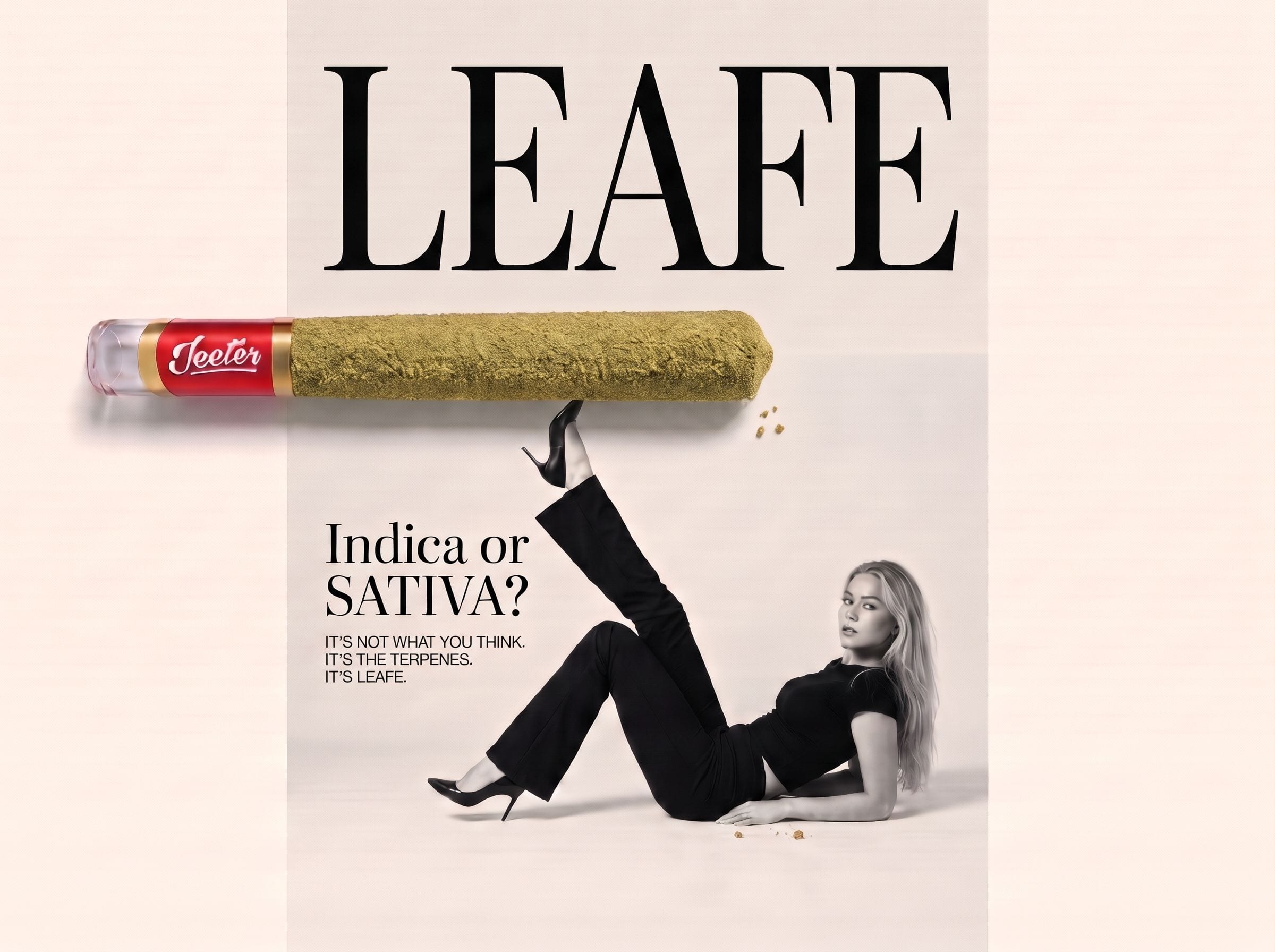
INDICA?
Indica vs sativa: the myth.
Indica or Sativa? It's Not What You Think
It's the first question at every counter: indica or sativa? Short answer: the label tells you far less than you think. Here's what actually decides how a strain smells, tastes and feels.
Walk into any shop and you'll hear the same rule of thumb. Indica means "in da couch": heavy, sleepy, sofa-bound. Sativa means bright, chatty and creative. It's a neat story, easy to remember and handy for a menu.
The trouble is, it's mostly a myth. Two jars with the same label can feel completely different, and an "indica" can leave you wide awake. So let's clear it up.
Where the labels came from
The names are botanical, not about effects. In the 18th century, botanists sorted cannabis plants by how they looked and where they grew. Cannabis sativa described the tall, airy plants found in Europe. Cannabis indica, named in 1785, described the shorter, bushier plants from India.
In other words, the labels were about leaf shape, height and origin. Nobody was describing a mood. The idea that indica relaxes and sativa energises came much later, largely from growers and shops looking for a simple way to sort their menus.
Why the labels don't work any more
Almost everything on a shelf today is a hybrid. Decades of cross-breeding have mixed the old lines so thoroughly that a "pure" indica or sativa is now rare. The label on a jar often reflects the plant's look, its family tree or simply marketing.
Researchers who have tested real products found that the indica or sativa label is a poor predictor of a strain's chemistry. Two strains sold under the same label can have very different chemical profiles, and strains with opposite labels can be near twins.
Your own body matters too. Tolerance, mood, setting, sleep and how much you take all change the experience, whatever the jar says.
What actually matters: cannabinoids and terpenes
Two things shape a strain far more than its label. Cannabinoids such as THC and CBD set the strength. Terpenes are the aromatic compounds behind the smell and flavour, and they're thought to colour the overall feel.
Terpenes are everywhere in nature: in citrus peel, pine needles, lavender and black pepper. Each strain carries its own blend, which is why one jar smells of lemon and another of diesel. Here are the ones you'll meet most often.
- Myrcene — earthy, musky, ripe fruit. Also found in mango, hops and thyme. Often linked with a calm, heavy feel.
- Limonene — bright citrus and lemon zest. Also found in orange and lemon peel. Often linked with an uplifting, sunny mood.
- Caryophyllene — spicy, peppery and woody. Also found in black pepper and cloves. Often linked with a warm, grounded feel.
- Pinene — fresh pine and forest. Also found in pine needles and rosemary. Often linked with a clear, alert feel.
- Linalool — floral, lavender and sweet. Also found in lavender and coriander. Often linked with a soft, soothing mood.
- Terpinolene — herbal, fruity and a little floral. Also found in apples, lilac and tea tree. Often linked with a lively, fresh feel.
The last column reflects what people commonly report, not a guarantee. Everyone reacts differently.
How to choose instead
- Trust your nose. Open the jar and smell it. If you love the aroma, that's a good sign the terpene blend suits you.
- Ask about terpenes, not labels. Ask us which terpenes lead in a strain. Citrus, pine or earthy tells you more than "indica".
- Check the THC and CBD. Strength matters. A strong strain feels heavier, whatever it's called.
- Keep notes. Jot down the strains you enjoy and how they felt. Patterns in terpenes will soon show up.
- Start low. With anything new, take a little, wait, and see how it sits with you.
Indica or sativa? It's not what you think. It's the terpenes, the strength and you. Next time you're choosing, skip the label, open the jar and follow your nose. Not sure where to start? Ask the Leafe team. We'll match you by aroma, not by myth.